Link building is one of the most important aspects of SEO, but it’s also one of the hardest to get right.
Building meaningful connections and creating content that attracts high-quality backlinks requires time, effort, and expertise.
For many, outsourcing link building feels like the perfect solution. It can save time and bring in experts who can get results. But outsourcing isn’t without its challenges. If not done carefully, it could hurt your site instead of helping it.
In this article, we’ll guide you through 7 simple steps to outsource link building successfully. Whether you’re new to this or refining your current strategy, you’ll find practical tips to make smarter decisions and achieve better outcomes.
What is Outsource Link Building?

Outsourced link building is hiring a freelancer or an SEO agency to get quality links pointing to your website. These experts focus on strategies like content marketing, guest blogging, niche edits, and fixing broken links to build your site’s authority.
They use their industry knowledge and connections to secure valuable links that can improve your search engine rankings. This approach lets you benefit from their expertise while saving time and resources.
Experienced link builders create more links, but the gap is striking.
Link builders with less than a year of experience average just 7 links per month, while those with 5+ years build 67% more links than those with 2-5 years. This highlights the value of hiring seasoned professionals, often found in agencies.
In short, experience makes a big difference.

Source: Authorityhacker
7 Simple Steps to Outsource Link Building Services
Now that the need to outsource link-building services is evident to you let’s get into the process of finding a dependable provider.
Step 1: Prepping Your Website for Link Building

Before outsourcing link building, it’s important to make sure your website is ready. Start by focusing on on-page SEO. Use keywords naturally in your content, which should be both valuable and engaging. Build internal links to connect related content, and make sure your site is easy to navigate for a better user experience.
Highlight your brand’s unique value by creating content that stands out and naturally attracts links. If you run a local business, aim to get local citations and positive reviews.
Now, Address your site’s technical SEO. Improve page speed, ensure mobile-friendliness, and use HTTPS for security. Keep your sitemap and robots.txt files updated, and set up proper 404 pages to maintain link equity from any broken links.
By preparing your website properly, you’ll set a strong foundation for successful link building outsourcing.
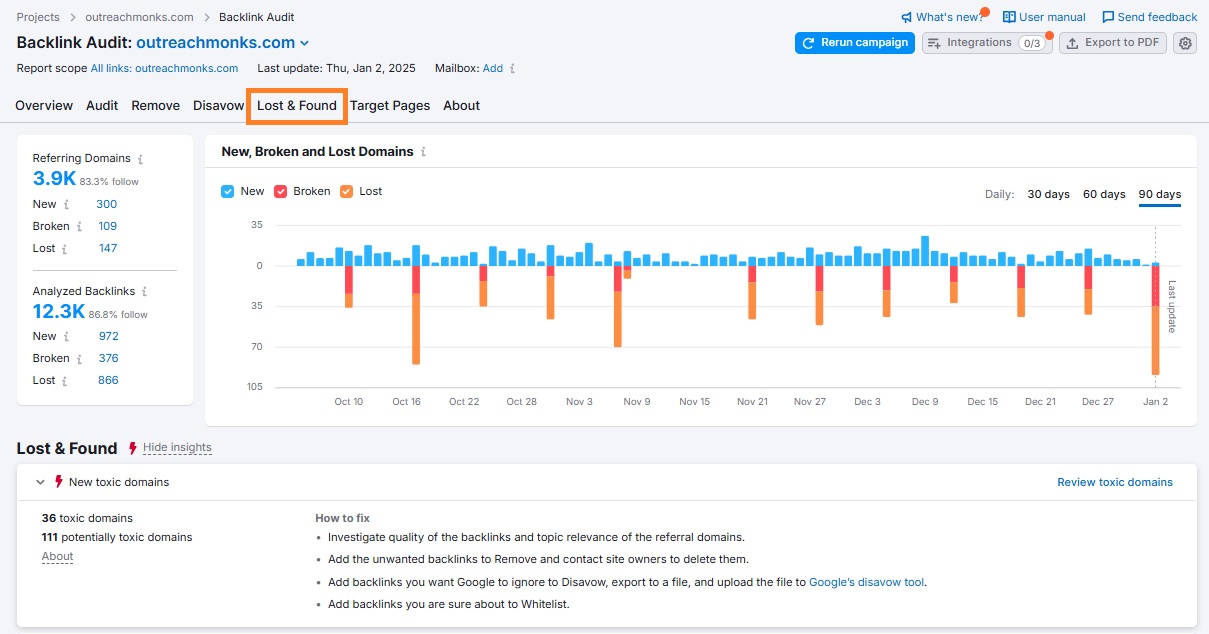
- 🔍 SEO Tip for Business Owners: Do a basic SEO audit of your website before outsourcing the link building. Google Search Console or site audits using tools such as SEMrush will highlight problems like missing meta tags, low-quality backlinks, and crawl errors. Fixing these issues first ensures that any new links you acquire will be more effective and can prevent potential penalties from search engines. You can ask your link building service provider to do a simple link audit. This gives you an idea about the performance of your website at the moment and what you need to work on to improve your link-building strategy.
Step 2: Understand The Link Building Process
You don’t need to be an expert to SEO link building outsource, but knowing the basics is important. It helps you ensure you’re getting good value for your money. Understanding the process allows you to check results, avoid issues, and spend your budget wisely. Plus, it gives you a clear view of how well your outsourced agency is doing.
The Link Building Process
- Identify Opportunities: Look for relevant sites within your industry.
- Create Valuable Content: Develop content that others will naturally want to link to.
- Outreach: Reach out to site owners to suggest or request links.
- Earn Links: Secure placements on high-quality, relevant sites.
When you focus on getting links from reputable, industry-related sites, it boosts your website’s credibility. But be cautious of links from low-quality sites, especially those with low traffic or that cover unrelated topics—they can do more harm than good.
Step 3: Set Your Link Building Goals
With the basics in mind, it’s time to decide what you want from link building. Clear goals help you focus your efforts and see results.
- Boost Search Rankings: Aim for links from sites that matter in your industry to climb higher in search results.
- Drive Traffic: Get links from popular websites to bring more visitors to your site.
- Build Authority: Secure links from respected sources to strengthen your brand.
- Support Key Pages: Focus on linking to important pages to improve their performance.
Make sure your goals are practical and match your business needs. Share these goals with your link-building team to keep everyone aligned.
❓Why We Build Links (And What They Really Do)
Link building is often misunderstood. Many think it directly increases traffic, but that’s not the full story.
Here’s the truth:
- Building Authority: The biggest reason for link building is to improve the authority of your website. If good-quality websites link to you, it tells Google that your site is reliable and important.
- Improving Visibility: Links help Google notice your pages, making their read and listing easier. This visibility is extremely important to make your pages appear in search results.
Links alone will not boost the traffic in a very short period of time. They improve how well your site is appearing in search results for better visitors, but this will happen only when your on-page and off-page SEO go right.
Step 4: Choose The Appropriate Link Building Strategy As Per your Niche
Different businesses need different link-building strategies. Here’s how to pick the best one for your niche:
1 Managed Link Building
Best For: Businesses that want to outsource everything.
Managed link building is convenient if you need quality backlinks but are too busy to get into minute details. Your service provider will do it all, leaving you free for other aspects of your business.
2 Guest Posts
Best For: SaaS companies, digital marketing agencies, and service providers.
Guest posting is great for building authority and reaching new audiences. By writing valuable content for other sites, you earn backlinks and position yourself as an industry expert.
3 SaaS Backlinks
Best For: SaaS companies.
SaaS Link Building focuses on getting links from tech blogs and software review sites. It’s perfect for making your SaaS product stand out in a competitive market.
4 White Label Link Building
Best For: SEO agencies and digital marketing firms.
White label link building lets agencies offer link-building services under their own brand without doing the work themselves. It’s ideal if you want to expand your offerings without growing your team.
5 Link Insertions
Best For: Businesses needing quick results.
Link insertions involve adding your link to existing content on trusted sites. It’s a fast way to boost specific pages, but it’s best when you need immediate results rather than long-term brand building.
6 Blogger Outreach
Best For: Lifestyle, fashion, tech, and travel brands.
Blogger outreach gets your products or services featured on popular blogs. It’s perfect for industries where influencer marketing can make a big difference.
7 Cannabis Backlinks
Best For: Cannabis businesses.
Cannabis backlinks are crucial because of advertising restrictions in the industry. Getting links from trusted cannabis sites builds credibility and improves rankings.
8 Casino Backlinks
Best For: Online gambling and casino businesses.
Casino backlinks help you compete in the crowded online gambling market. Links from high-authority sites in this niche can significantly boost your visibility.
9 Country-Specific Link Building
Best For: Businesses targeting a specific country.
If you’re focused on a local market, country-specific link building gets you links from local sites. This boosts your rankings in local searches and attracts the right audience.
5) Set a Realistic Budget

Link building is an investment, and quality doesn’t come cheap. Here’s where your money goes:
- Research and Planning: Your provider needs to understand your business and create a strategy.
- Content Creation: Quality links often need well-written content, like articles or guest posts.
- Outreach: Getting links from good sites takes time and effort.
- Placement Fees: High-authority sites usually charge for link placements, especially in industries like SaaS, finance, or real estate. Even though Google discourages paid links, these fees are common.
- Monitoring: Once the links are live, they need to be checked regularly.
Budget Suggestions
- Small Businesses: Around $599 to $1999 a month.
- Mid-Sized Businesses: Between $3299 and $5999 a month.
- Large Enterprises: $5999 to $6999 a month.
When you’re estimating costs for outsourced link-building, don’t forget to account for payment delays or unexpected spend. If you need flexibility, you might want to apply for a business credit card to bridge cash flow gaps. With rewards, grace periods, and suitable limits, it gives you breathing room without holding back your SEO investment.
💰 Tips to Make the Most of Your Budget
- Focus on Quality: A few strong links are better than many weak ones.
- Be Patient: Good results take time.
- Stay Involved: Keep in touch with your provider to ensure your money is being spent wisely.
6) Selecting the Appropriate Link Building Service
Here’s how to find a partner you can trust:

1. Check Them Out Thoroughly
Before you commit, take the time to vet potential link-building services. Look for:
- Read Reviews: See what other businesses have said. Look for detailed feedback, not just star ratings. This helps you get a real sense of how the service performs.
- Look at Their Work: Ask for case studies. This shows you the kind of results they’ve delivered for others. It’s a good way to judge if they can do the same for you.
- Seek Industry-Specific Testimonials: Make sure they have experience in your industry. Testimonials from businesses like yours are a good sign they understand your needs, especially when considering affordable link building outsourcing.

2. Make Sure They Know Your Industry
Experience in your industry matters:
- Understanding Your Market: A service with industry experience knows the ins and outs of your market. They’ll be better at crafting strategies that work for you. This principle is universal for every outsourcing domain, whether it’s software outsourcing in Latin America, marketing outsourcing in India, etc.
- Avoiding Mismatches: Without this experience, they might use tactics that don’t fit your business. This can waste your time and money and might even hurt your brand.
7) Track Deliverables and Results
Tracking your link-building campaign helps you see what’s working. Both you and your provider need to be clear on what success looks like.
1. Monitor Deliverables
- Check the Links: Make sure the links are live and on the right sites.
- Review Content: Ensure any content created is relevant and high-quality.
- Expect Regular Updates: Your provider should keep you informed about progress.
2. Focus on the Right KPIs
- Watch DA/DR: Track your Domain Authority (DA) or Domain Rating (DR) to see if your site’s authority is improving.
- Check SERP Positions: Watch where your pages are showing up in search results.
- Traffic is a Bonus: Building links isn’t about driving traffic, but it’s nice to see if it starts going up as the rankings improve.
3. Make Adjustments if Needed
- Tweak the Strategy: If some links are not working properly, discuss changing them with your professional link building services provider.
- Stay in Touch: Communication at regular intervals keeps everybody on track with what’s happening and quickly identifies problems.
NOTE: Remember, link building and SEO take time. You won’t see results overnight. Plan for a long-term investment, with real results showing after about three months.
In-house Vs. Outsource Link Building: Which one is Better?

The difference between in-house and outsource link building is how the task is handled.
In-house link building is about carrying out the process of building links with internal resources, usually via dedicated teams or particular persons within the company. It offers more control and coordination but needs investment in resources and experience. Many businesses choose to hire link building experts within their team to manage this process.
On the other hand, to outsource link building for the agency means hiring other professionals or agencies to take care of the link-building process. It brings along several advantages, including access to specialized skills and knowledge without relying on in-house resources.
Backlink outsourcing would save time and resources. This will enable the business to focus more on the core work while experts will handle link building.
Here is a basic table showing the difference between in-house and outsourcing link building:

Looking for More Than Just SEO?
Outsourcing link-building services is just one aspect of improving your business’s efficiency. You can also streamline your business operations by utilizing tools like business invoice solutions to ensure seamless invoicing and financial management. This allows you to focus on what really matters: growing your business and enhancing your online visibility.
Conclusion
Outsourcing link building has proved quite beneficial for any organization. It saves time as well as allows expertise to enhance the visibility of a website in search engines. By using this approach, firms can focus more on their core functions while ensuring their digital presence grows.
So, in the dynamic world of SEO, outsourcing link building could indeed be a smart, effective, and resourceful move for companies looking to enhance their online success.
FAQs on Outsource Link Building
Are All Links Created Equal in Outsourced Link Building?
No, not all backlinks are built equal. Links will vary in value, depending on various factors such as how trusted the linking site is, how related it is to your industry, and where it's placed on the page.
Can Outsourcing From A Link-Building Agency Lead To Penalties From Google?
If done incorrectly, yes. Google penalizes websites found to manipulate their rankings with low-quality links or spammy links. Therefore, it is necessary to hire an agency that follows Google's rules and guidelines.
How Can I Track The Performance Of My Outsourced Link Building Efforts?
Agencies typically provide reports detailing the links they've built. You can also use SEO tools like Google Analytics, SEMrush, or Ahrefs to track improvements in traffic, keyword rankings, and overall SEO performance.
How Does Content Fit Into An Outsourced Link Building Strategy?
Quality content is very important for many link building agencies. It can draw in natural backlinks, and it is often used in methods like guest posting or sharing content. An outsourced agency can help make interesting content for these reasons.
Can I Outsource Link Building For My Local Business?
Yes, many businesses now outsource link building to overseas marketing agencies. This can be cost-effective but can also pose challenges, such as language barriers or differences in work culture. It's important to thoroughly vet any agency before hiring.
What Should I Provide To The Outsourced Link Building Agency?
Consider factors such as the agency's experience, reputation, portfolio, and client reviews. It's important to select an agency that aligns with your goals, understands your industry, and follows ethical SEO practices.
What Happens If I'm Not Satisfied With The Outsourced Link Building Results?
Communicate your concerns with the agency and give them an opportunity to address the issues. Reputable agencies value client satisfaction and will work towards resolving any challenges or adjusting their approach if necessary.
How Much Should I Budget For Outsourced Link Building Services?
The cost of outsourcing link building services can vary depending on the scope of work, the competitiveness of your industry, and the reputation of the agency. It's important to consider link building as an investment in your long-term SEO strategy and allocate a budget accordingly.